Wisconsin Aluminum Foundry and its commitment to excellence in metal production
Wiki Article
The Role of Metal Casting ahead of time Manufacturing Technologies
Metal Casting have notably affected the advancement of making modern technologies. They supply one-of-a-kind layout adaptability, allowing the development of complex geometries necessary for different applications. Modern casting techniques are being enhanced by innovations like 3D printing and automation. These growths not just enhance efficiency but additionally address obstacles in precision and sustainability. As industries remain to advance, the function of Metal Casting stays vital fit their future. What exists ahead in this vibrant area?The Development of Metal Casting Strategies
As the demand for precision and performance in manufacturing has expanded, the development of Metal Casting techniques has actually undergone substantial improvement. Historically, Metal Casting began with straightforward techniques such as sand spreading and lost-wax casting, which permitted artisans to develop complex shapes. Gradually, developments in technology introduced procedures like die casting and investment casting, enhancing accuracy and reducing waste. Aluminum Castings. The intro of computer-aided design (CAD) and simulation software program transformed the preparation stages, allowing manufacturers to expect potential problems and maximize designs prior to manufacturing. Additionally, the advancement of brand-new materials, such as sophisticated alloys and compounds, has expanded the extent of applications for Metal Casting. Automation and robotics have further polished spreading processes, enhancing uniformity and performance. Therefore, the Metal Casting market has actually adjusted to meet the requirements of modern-day manufacturing, concentrating on sustainability and advancement to continue to be competitive in an ever-evolving marketplace
Applications of Metal Casting in Secret Industries
The innovations in Metal Casting techniques have opened up a large selection of applications across various markets. In the vehicle field, Metal Casting are integral for creating engine blocks, transmission real estates, and various other important elements that need high stamina and longevity. The aerospace industry utilizes castings for intricate parts like turbine blades and structural components, guaranteeing lightweight yet robust services for aircraft.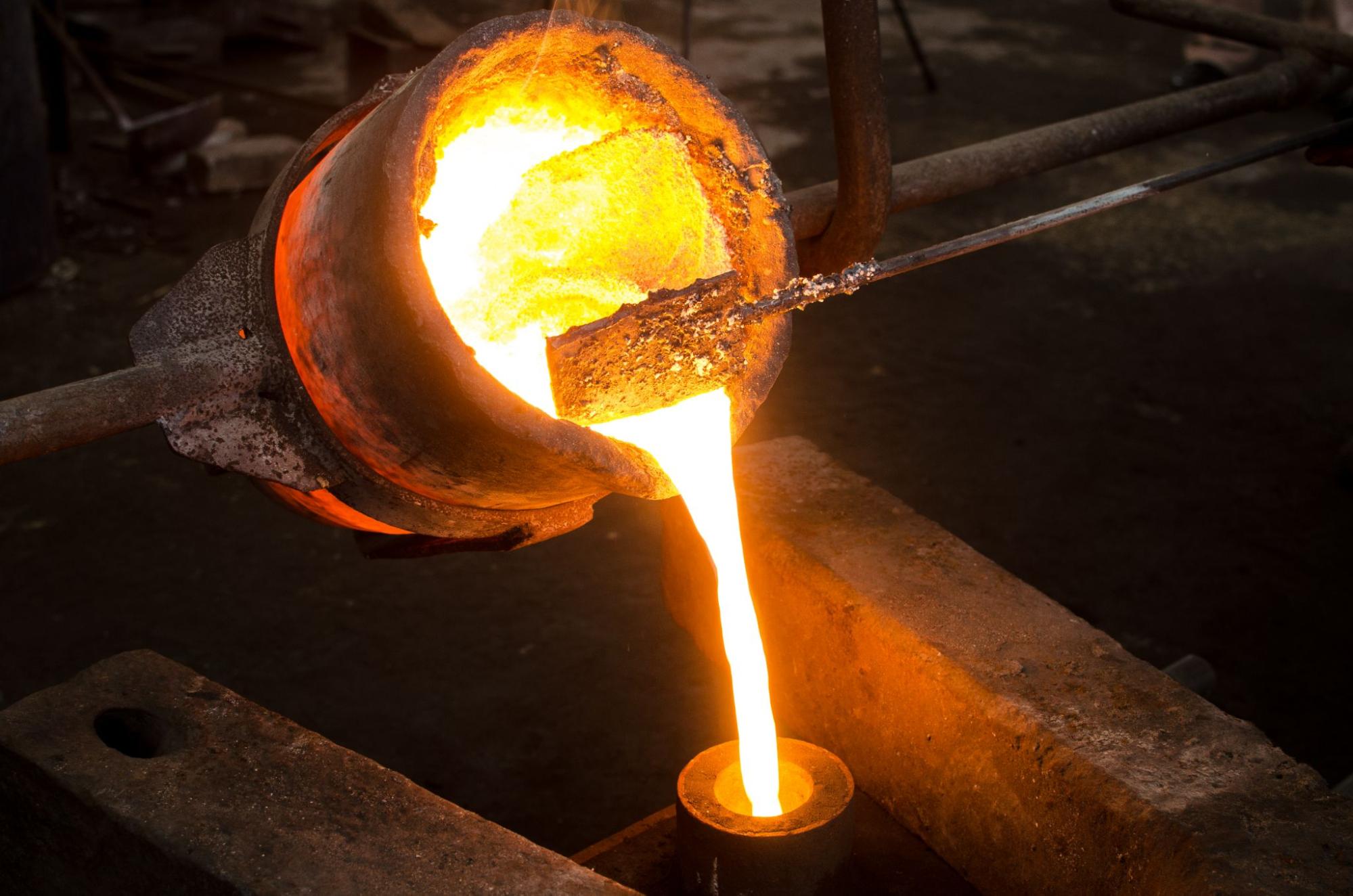
Moreover, the building industry utilizes Metal Casting for structural aspects such as installations and beam of lights, adding to the integrity of structures and infrastructure. In the power field, castings play a critical function in making parts for wind turbines and power generation tools, boosting performance and reliability. On top of that, the medical field advantages from accuracy castings utilized in medical tools and prosthetics, demonstrating the flexibility of Metal Casting throughout varied applications. This wide utilization highlights the relevance of Metal Casting in modern-day manufacturing methods.
Advantages of Metal Casting in Modern Production
Metal Casting offer various advantages that considerably boost modern manufacturing processes. One essential benefit is style versatility; Metal Casting permits for the production of intricate forms and detailed geometries that are frequently tough or difficult to attain with various other making approaches. This ability allows makers to enhance item styles for performance and performance.Additionally, Metal Casting can support a large range of materials, consisting of light weight aluminum, steel, and iron, which can be customized to satisfy certain mechanical buildings and deterioration resistance demands.

Cost-effectiveness is one more remarkable advantage; Metal Casting processes can generate huge quantities of parts with marginal material waste, thus decreasing manufacturing costs.
Moreover, the durability of cast metal elements adds to the longevity of products, decreasing the demand for constant replacements. Generally, the advantages of Metal Casting substantially add to efficiency, sustainability, and development within contemporary manufacturing atmospheres.
Advancements Driving the Future of Metal Casting
While typical Metal Casting techniques have offered the industry well for years, current advancements are positioned to reinvent the field. Advances such as 3D printing technology enable for quick prototyping and the manufacturing of complex geometries that were formerly unattainable. These developments not only enhance design versatility yet additionally minimize waste and reduce preparations. On top of that, the combination of automation and robotics in casting processes is streamlining procedures, boosting accuracy, and boosting employee security. Furthermore, the development of brand-new alloys and composite products is enabling the creation of stronger, lighter spreadings customized for specific applications. Digital technologies, consisting of Metal Castings expert system and machine learning, are enhancing spreading parameters and predictive maintenance, driving improved quality control. Jointly, these technologies are pushing the boundaries of Metal Casting, cultivating greater performance and sustainability in manufacturing, and positioning the market for future growth and competitiveness.Obstacles and Solutions in Metal Casting Processes
As advancements in Metal Casting modern technology remain to reshape the market, different challenges continue to be that producers must deal with to completely take advantage of these innovations. One considerable problem is the irregularity in material properties, which can lead to irregular high quality and efficiency. This irregularity commonly results from variations in basic materials and processing conditions. In addition, the rising expenses of power and materials position financial restraints, pressing suppliers to seek more reliable procedures.To deal with these obstacles, firms are significantly adopting automated systems and progressed simulation strategies to improve precision and consistency. Executing quality control actions throughout the manufacturing process also assists in spotting defects early. Furthermore, spending in research study for different materials may enhance and minimize costs sustainability. By dealing with these obstacles with cutting-edge options, the Metal Casting industry can improve productivity and keep competitiveness in the developing production landscape.
Frequently Asked Concerns
What Products Are Frequently Made Use Of in Steel Casting Processes?
Common products made use of in Metal Casting procedures consist of light weight aluminum, bronze, iron, and magnesium. Each product possesses distinct buildings that provide to various applications, boosting the flexibility and performance of the final cast items in various sectors.Just How Do Environmental Laws Influence Metal Casting Procedures?
Environmental regulations oblige Metal Casting operations to take on cleaner methods and modern technologies, typically increasing manufacturing prices. Conformity might lead to cutting-edge processes that lower waste and emissions, inevitably promoting sustainability within the Metal Casting market.What Are the Security Procedures in Metal Casting Facilities?
Precaution in Metal Casting facilities include correct ventilation, individual safety equipment, routine security training, devices upkeep, and adherence to security guidelines, guaranteeing a safe and secure environment for employees while minimizing dangers connected with hazardous materials and procedures.Just How Is Quality Controlled in the Metal Casting Refine?
Quality control in Metal Casting entails strenuous evaluations, consisting of visual assessments, dimensional checks, and product screening. Adherence to sector standards and implementing quality management systems guarantees that spreadings fulfill given demands throughout the manufacturing process.
What Is the Future Work Expectation for Metal Casting Professionals?
The future task overview for Metal Casting professionals appears encouraging, driven by innovations in modern technology and boosting demand across numerous markets (Aluminum Foundry). Growth in automation and lasting techniques will likely produce new possibilities in this marketHistorically, Metal Casting began with straightforward techniques such as sand casting and lost-wax spreading, which enabled artisans to develop complex shapes. Over time, innovations in innovation introduced procedures like die casting and financial investment casting, boosting precision and decreasing waste. In enhancement, the medical area benefits from accuracy spreadings used in medical instruments and prosthetics, showing the versatility of Metal Casting throughout diverse applications. Metal Casting use various benefits that significantly boost modern production processes. Typical products utilized in Metal Casting procedures include light weight aluminum, bronze, iron, and magnesium.
Report this wiki page